
Understanding the Evolution of Marketing
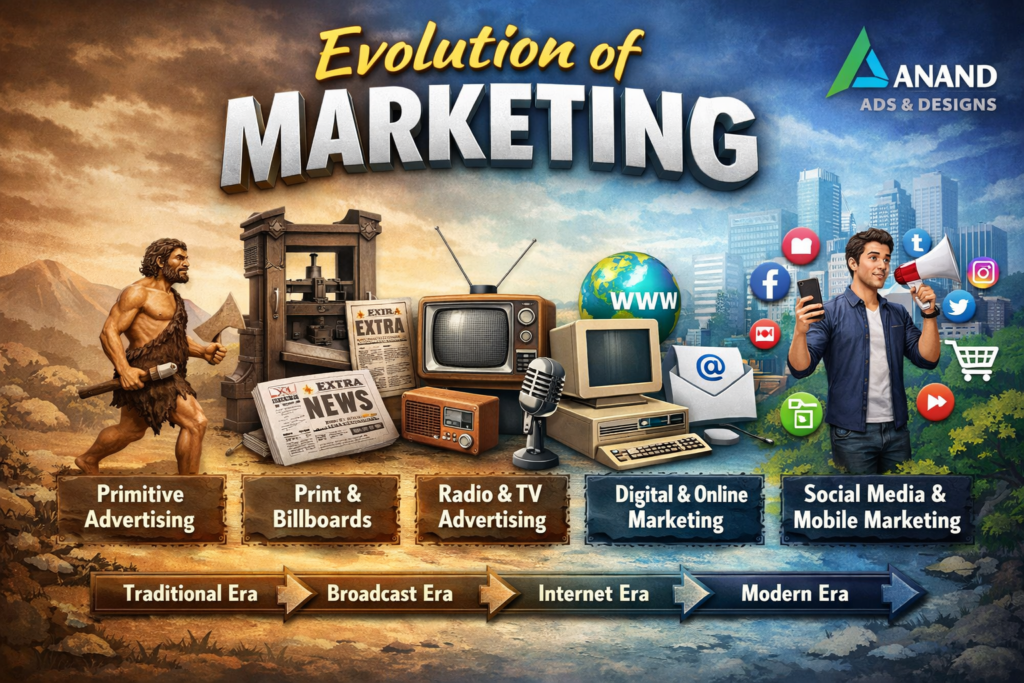
Marketing has always been about one simple goal: connecting brands with people. But the methods used to achieve that connection have evolved dramatically over the last few decades. If you rewind to the 1990s or early 2000s, marketing meant television commercials, newspaper ads, billboards, and radio promotions. These were the dominant tools businesses used to reach large audiences. Brands invested heavily in traditional media because that’s where consumers spent most of their time.
Fast forward to today, and the landscape looks completely different. Social media platforms like Instagram, TikTok, and YouTube have transformed how people consume content and interact with brands. Instead of passively watching ads, consumers now follow personalities they trust and engage with their recommendations. These personalities—known as influencers—have become powerful marketing channels.
The numbers reflect this shift. The global influencer marketing industry is estimated to be worth more than $40.5 billion in 2025, showing massive growth in just a few years. This rapid expansion indicates that businesses are increasingly allocating their marketing budgets toward influencer collaborations rather than relying solely on traditional advertising.
The Rise of Digital Consumer Behavior
Consumers today are more informed, skeptical, and selective than ever before. With unlimited information available online, people rarely make purchasing decisions based solely on advertisements. Instead, they research products, read reviews, watch tutorials, and seek recommendations from trusted personalities.
This behavior has made social proof one of the most powerful forces in marketing. When people see someone they admire using or recommending a product, it feels more genuine than a polished advertisement. Studies show that 76% of consumers follow influencers, and about half have purchased something based on influencer recommendations. That statistic alone demonstrates why brands are paying attention to influencer marketing.
At the same time, consumers have become increasingly resistant to traditional advertising. Many people skip ads, use ad blockers, or simply ignore promotional messages altogether. The shift toward personalized content and authentic communication has forced marketers to rethink their strategies and adapt to modern consumer expectations.
Why Marketing Strategies Are Changing
The evolution of marketing isn’t just about technology—it’s about trust and relatability. Traditional advertising often relies on scripted messages and highly polished visuals. While these methods can still be effective, they sometimes lack the authenticity that modern audiences crave.
Influencer marketing, on the other hand, thrives on authenticity. Influencers create content that feels natural and relatable, often blending product recommendations seamlessly into their everyday lives. This approach makes marketing feel less like advertising and more like a trusted suggestion from a friend.
Businesses have realized that consumers value recommendations from real people over corporate messages. That realization has led to a fundamental shift in marketing strategies, where influencers now play a central role in shaping brand perception and driving purchasing decisions.
What is Influencer Marketing?
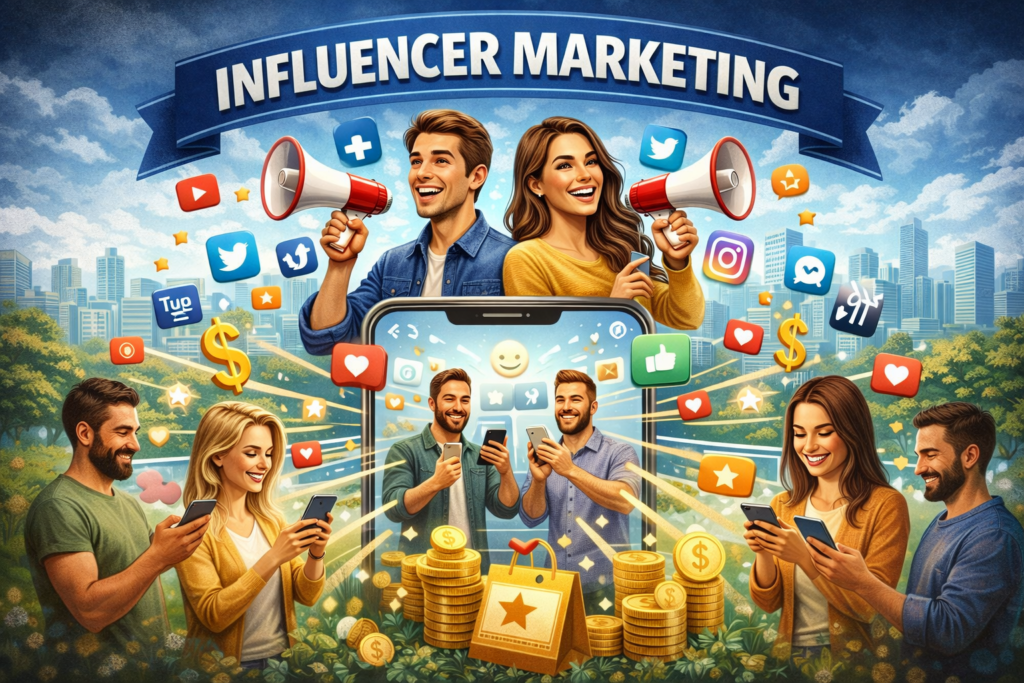
Influencer marketing is a digital marketing strategy where brands collaborate with individuals who have established credibility and large followings on social media platforms. These influencers promote products, services, or experiences to their audiences through content such as posts, videos, reviews, and stories.
The power of influencer marketing lies in trust and engagement. Unlike traditional advertisements that push messages toward consumers, influencer content often feels like a conversation. Followers view influencers as relatable personalities rather than corporate representatives, which makes their recommendations more persuasive.
Influencer marketing campaigns can take many forms, including product reviews, sponsored posts, brand collaborations, giveaways, and affiliate partnerships. These campaigns often generate high engagement because they integrate naturally into the influencer’s content style and storytelling.
Another reason influencer marketing has gained traction is its measurable performance. Brands can track metrics such as engagement rates, clicks, conversions, and sales directly from influencer campaigns. In fact, many studies suggest that influencer marketing delivers an average return of about $5.20 for every $1 spent, making it one of the most cost-effective marketing strategies available today.
Types of Influencers in Modern Marketing
Influencers come in various categories depending on their follower count and niche expertise. These categories include nano influencers, micro influencers, macro influencers, and celebrity influencers.
Nano influencers typically have fewer than 10,000 followers but often maintain extremely high engagement rates. Their audiences tend to trust them deeply because they appear more authentic and relatable. Micro influencers, who usually have between 10,000 and 100,000 followers, are often specialists in specific niches like fitness, fashion, gaming, or travel.
Macro influencers and celebrity influencers have much larger audiences and can provide massive visibility for brands. While they offer greater reach, their engagement rates may be slightly lower compared to smaller influencers because their audiences are more diverse.
The growing popularity of smaller influencers reflects a shift toward authenticity and targeted marketing. Brands are increasingly collaborating with micro and nano influencers because they provide stronger community connections and higher engagement rates.
Key Platforms Driving Influencer Marketing
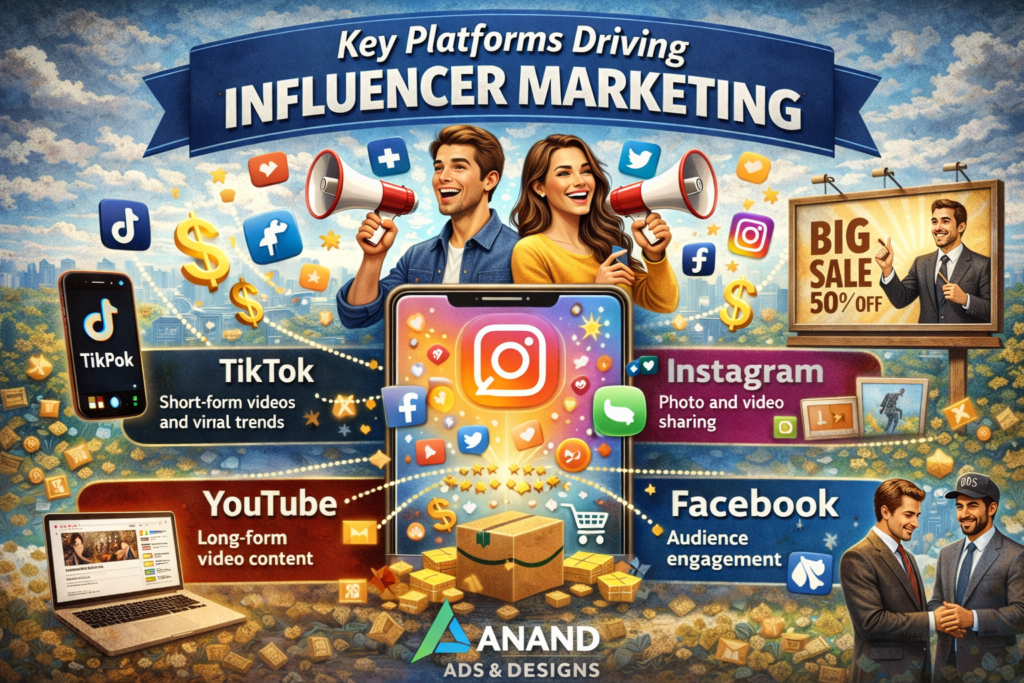
Several social media platforms have become central hubs for influencer marketing. Instagram, Facebook, YouTube, and increasingly LinkedIn have created ecosystems where influencers can build audiences and collaborate with brands.
Instagram remains one of the most influential platforms for product promotion, especially in industries like fashion, beauty, travel, and lifestyle.
Facebook also plays a major role in influencer campaigns. With billions of active users worldwide, Facebook provides brands with access to a vast and diverse audience.
YouTube offers long-form content that allows influencers to provide detailed product reviews, tutorials, and storytelling. This format is particularly effective for technology, gaming, and educational content.
Each platform provides unique opportunities for brands to connect with audiences through authentic storytelling, making influencer marketing a versatile and adaptable strategy.
What is Traditional Advertising?
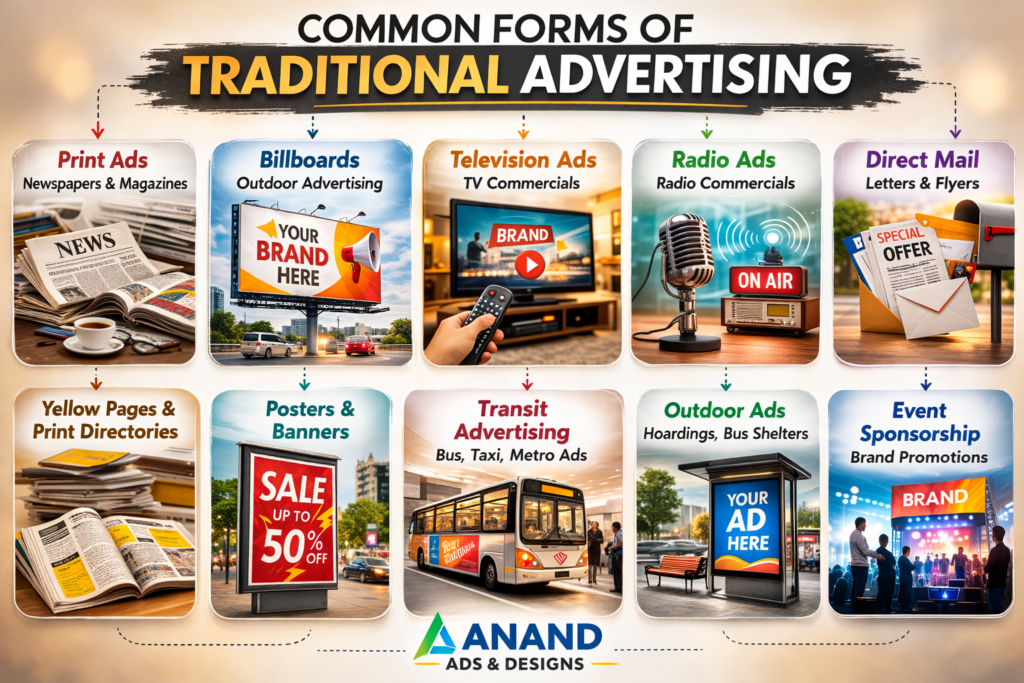
Traditional advertising refers to marketing methods that existed before the rise of digital platforms. These methods include television commercials, radio ads, print advertisements, billboards, magazines, and direct mail campaigns.
For decades, traditional advertising dominated the marketing world because it allowed brands to reach large audiences quickly. Television commercials during prime-time shows or major events could expose millions of viewers to a single message.
Traditional advertising is still widely used today, particularly by large corporations and established brands. It provides high visibility and helps build brand credibility by appearing in well-known media outlets.

Common Forms of Traditional Advertising
Traditional advertising comes in many formats, each with its own strengths. Television commercials remain one of the most powerful advertising tools due to their ability to combine visual storytelling, sound, and emotional appeal. Radio advertising is another effective medium, especially for local businesses targeting specific geographic areas.
Print advertising in newspapers and magazines allows brands to reach niche audiences interested in specific topics such as business, lifestyle, or sports. Billboards and outdoor advertising provide constant visibility in high-traffic areas, reinforcing brand awareness through repeated exposure.
These formats have been successful for decades because they deliver consistent messaging to large audiences. However, they often lack the personalization and interactivity that digital marketing offers.
Why Brands Still Use Traditional Ads
Despite the rise of digital marketing, traditional advertising still plays a significant role in many marketing strategies. One major advantage is mass reach. Television and outdoor advertising can expose millions of people to a brand within a short period of time.
Another advantage is credibility. When consumers see a brand advertised on major television networks or well-known publications, it can enhance the brand’s reputation and perceived legitimacy.
Traditional advertising also allows brands to maintain complete control over their messaging. Unlike influencer marketing, where content is created by individuals, traditional advertisements are carefully produced and scripted by marketing teams.
Influencer Marketing vs Traditional Advertising: Key Differences
Marketing strategies often evolve as consumer behavior changes, and the contrast between influencer marketing and traditional advertising highlights this evolution perfectly. Both methods aim to promote products and build brand awareness, but they operate in fundamentally different ways.
The most significant difference lies in how the message is delivered. Traditional advertising is typically brand-driven, meaning the company creates and distributes the message directly to consumers. Influencer marketing, however, is community-driven, where individuals with loyal audiences share recommendations and experiences.
Another major difference is engagement. Traditional advertising often delivers a one-way message, while influencer marketing encourages conversations and interactions between influencers and their followers. This interactive nature makes influencer marketing particularly effective in building relationships with audiences.
Audience Targeting and Reach
Traditional advertising generally focuses on reaching large audiences through mass media channels. A television commercial or billboard can potentially reach millions of viewers, but the audience may not always be the brand’s ideal target market.
Influencer marketing offers more precise targeting because influencers typically build communities around specific interests or lifestyles. For example, a fitness influencer’s audience is likely interested in health, exercise, and nutrition, making it easier for fitness brands to reach relevant consumers.
This targeted approach often results in higher engagement and conversion rates compared to broad traditional advertising campaigns.
Cost and Return on Investment
One of the biggest advantages of influencer marketing is its cost efficiency. Traditional advertising campaigns, especially television commercials, can be extremely expensive to produce and distribute.
Influencer marketing campaigns, on the other hand, often require smaller budgets while delivering strong results. Industry data shows that influencer marketing can generate around $5.78 in revenue for every $1 spent, which is significantly higher than many traditional advertising channels.
Authenticity and Consumer Trust
Trust is a critical factor in marketing success. Modern consumers are highly skeptical of advertisements because they know companies are trying to sell something.
Influencers bridge this trust gap by presenting products through personal experiences and storytelling. Research suggests that around 69% of consumers trust influencer recommendations more than traditional advertisements.
This trust factor makes influencer marketing particularly powerful when building brand loyalty and encouraging purchasing decisions.
Advantages of Influencer Marketing
Influencer marketing offers several benefits that make it attractive for modern businesses. One major advantage is engagement. Influencers often have highly interactive communities where followers like, comment, and share content regularly.
Studies show that influencer content can hold viewer attention significantly longer than traditional brand advertising, making it more effective at capturing audience interest. This increased engagement helps brands build stronger relationships with consumers.
Higher Engagement and Brand Awareness
Influencers create content that feels natural and entertaining rather than promotional. This approach allows brands to integrate marketing messages seamlessly into everyday content, making them less intrusive and more appealing.
When followers see influencers using products in real-life scenarios, it creates a sense of authenticity that traditional ads often struggle to achieve.
Stronger Consumer Relationships
Influencer marketing allows brands to connect with audiences through trusted personalities. These relationships create emotional connections that go beyond simple product promotion.
Consumers often feel like they know influencers personally, which makes their recommendations more persuasive and memorable.
Advantages of Traditional Advertising
Traditional advertising still holds several advantages, particularly when it comes to large-scale brand visibility. Major advertising campaigns during sporting events, television shows, or public spaces can generate massive exposure within a short period.
Massive Reach and Brand Authority
Traditional media platforms like television and outdoor advertising can reach millions of viewers simultaneously. This level of exposure is difficult to achieve through influencer marketing alone.
Large companies often rely on traditional advertising to reinforce their brand presence and maintain top-of-mind awareness among consumers.
Control Over Messaging
Another advantage of traditional advertising is control. Brands can carefully craft every aspect of their message, from visuals and scripts to timing and placement.
This level of control ensures consistent branding and messaging across all advertising channels.
Challenges in Influencer Marketing
While influencer marketing offers many advantages, it also comes with challenges. One of the biggest concerns is authenticity. If influencers promote too many products or endorse items they don’t genuinely use, their credibility may suffer.
Fake Followers and Transparency Issues
Another issue is influencer fraud, where individuals artificially inflate their follower counts through fake accounts. Brands must carefully analyze engagement metrics to ensure they are working with genuine influencers.
Transparency regulations also require influencers to disclose sponsored content, ensuring that audiences understand when a post is part of a paid partnership.
Challenges in Traditional Advertising
Traditional advertising faces its own challenges in today’s digital landscape. One major issue is ad fatigue, where consumers become overwhelmed by constant advertising messages.
Ad Fatigue and Consumer Resistance
Many consumers now skip television commercials, install ad blockers, or ignore banner ads online. This behavior reduces the effectiveness of traditional advertising campaigns and forces brands to find more engaging ways to connect with audiences.
When Should Brands Use Each Strategy?
The choice between influencer marketing and traditional advertising depends on the brand’s goals, target audience, and budget.
Influencer marketing works best for brands that want to build trust, reach niche audiences, and generate authentic engagement. It is particularly effective for startups, e-commerce brands, and businesses targeting younger audiences who spend significant time on social media.
Traditional advertising, however, remains valuable for large-scale brand awareness campaigns. Established companies often use television and outdoor advertising to maintain visibility and credibility.
The most successful marketing strategies often combine both approaches, using influencer marketing for engagement and traditional advertising for mass exposure.
The Future of Marketing
The future of marketing is likely to involve a hybrid approach that blends influencer marketing with traditional advertising. As technology continues to evolve, brands will increasingly rely on data analytics, artificial intelligence, and personalized content to reach consumers more effectively.
Influencers will continue to play a major role in shaping consumer behavior, particularly among younger generations. At the same time, traditional advertising will remain relevant for large-scale brand awareness and credibility.
The key for marketers will be finding the right balance between these strategies to create campaigns that resonate with modern audiences.
Conclusion
The debate between influencer marketing and traditional advertising isn’t about which strategy is better—it’s about which strategy works best for specific goals. Influencer marketing excels in building trust, engagement, and authentic connections with audiences, while traditional advertising provides massive reach and strong brand visibility.
Modern consumers value authenticity and personal recommendations more than polished advertisements. This shift has fueled the rapid growth of influencer marketing, turning everyday creators into powerful brand ambassadors.
Businesses that adapt to these changing consumer preferences and combine both marketing approaches effectively will be better positioned to succeed in the competitive digital landscape.
FAQs
1. What is the main difference between influencer marketing and traditional advertising?
Influencer marketing relies on individuals with loyal social media followings to promote products, while traditional advertising uses mass media channels like television, radio, and print.
2. Is influencer marketing more effective than traditional advertising?
Influencer marketing often delivers higher engagement and ROI, but traditional advertising still provides larger reach and strong brand visibility.
3. Why do consumers trust influencers?
Consumers trust influencers because they appear relatable and share personal experiences rather than scripted promotional messages.
4. Can small businesses use influencer marketing?
Yes. Many small businesses collaborate with micro or nano influencers, which allows them to reach targeted audiences without large advertising budgets.
5. Should brands combine influencer marketing and traditional advertising?
Yes. Combining both strategies allows brands to achieve mass reach through traditional media while building authentic engagement through influencers.