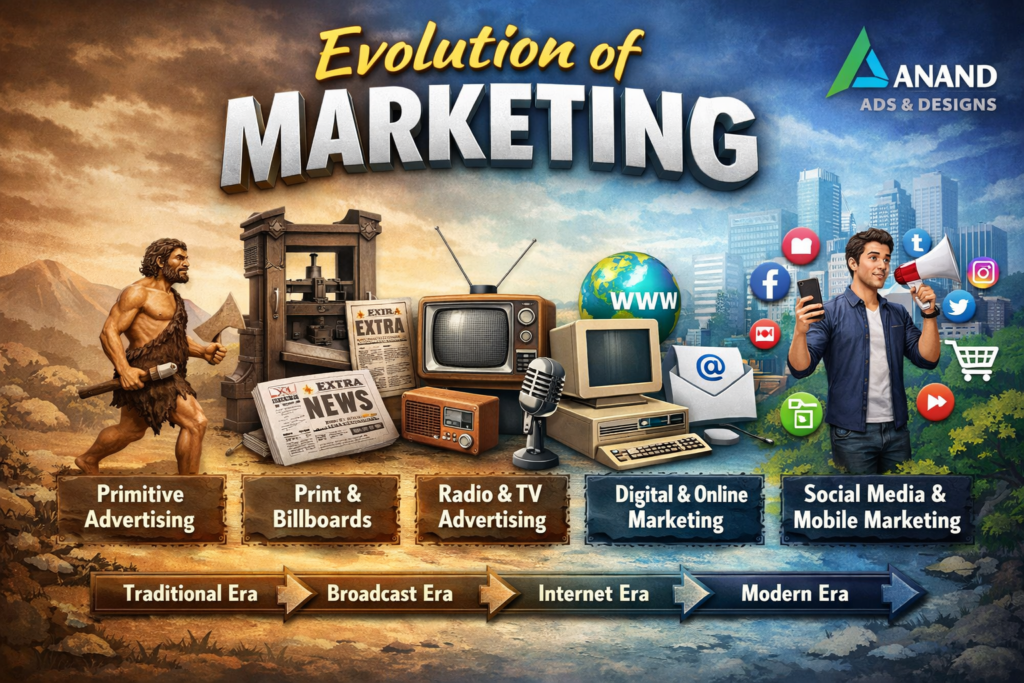
Understanding the Evolution of Marketing Marketing has always been about one simple goal: connecting brands with people. But the methods used to achieve that connection have evolved dramatically over the last few decades. If you rewind to the 1990s or early 2000s, marketing meant television commercials, newspaper ads, billboards, and radio promotions. These were the dominant tools businesses used to reach large audiences. Brands invested heavily in traditional media because that’s where consumers spent most of their time. Fast forward to today, and the landscape looks completely different. Social media platforms like Instagram, TikTok, and YouTube have transformed how people consume content and interact with brands. Instead of passively watching ads, consumers now follow personalities they trust and engage with their recommendations. These personalities—known as influencers—have become powerful marketing channels. The numbers reflect this shift. The global influencer marketing industry is estimated to be worth more than $40.5 billion in 2025, showing massive growth in just a few years. This rapid expansion indicates that businesses are increasingly allocating their marketing budgets toward influencer collaborations rather than relying solely on traditional advertising. The Rise of Digital Consumer Behavior Consumers today are more informed, skeptical, and selective than ever before. With unlimited information available online, people rarely make purchasing decisions based solely on advertisements. Instead, they research products, read reviews, watch tutorials, and seek recommendations from trusted personalities. This behavior has made social proof one of the most powerful forces in marketing. When people see someone they admire using or recommending a product, it feels more genuine than a polished advertisement. Studies show that 76% of consumers follow influencers, and about half have purchased something based on influencer recommendations. That statistic alone demonstrates why brands are paying attention to influencer marketing. At the same time, consumers have become increasingly resistant to traditional advertising. Many people skip ads, use ad blockers, or simply ignore promotional messages altogether. The shift toward personalized content and authentic communication has forced marketers to rethink their strategies and adapt to modern consumer expectations. Why Marketing Strategies Are Changing The evolution of marketing isn’t just about technology—it’s about trust and relatability. Traditional advertising often relies on scripted messages and highly polished visuals. While these methods can still be effective, they sometimes lack the authenticity that modern audiences crave. Influencer marketing, on the other hand, thrives on authenticity. Influencers create content that feels natural and relatable, often blending product recommendations seamlessly into their everyday lives. This approach makes marketing feel less like advertising and more like a trusted suggestion from a friend. Businesses have realized that consumers value recommendations from real people over corporate messages. That realization has led to a fundamental shift in marketing strategies, where influencers now play a central role in shaping brand perception and driving purchasing decisions. What is Influencer Marketing? Influencer marketing is a digital marketing strategy where brands collaborate with individuals who have established credibility and large followings on social media platforms. These influencers promote products, services, or experiences to their audiences through content such as posts, videos, reviews, and stories. The power of influencer marketing lies in trust and engagement. Unlike traditional advertisements that push messages toward consumers, influencer content often feels like a conversation. Followers view influencers as relatable personalities rather than corporate representatives, which makes their recommendations more persuasive. Influencer marketing campaigns can take many forms, including product reviews, sponsored posts, brand collaborations, giveaways, and affiliate partnerships. These campaigns often generate high engagement because they integrate naturally into the influencer’s content style and storytelling. Another reason influencer marketing has gained traction is its measurable performance. Brands can track metrics such as engagement rates, clicks, conversions, and sales directly from influencer campaigns. In fact, many studies suggest that influencer marketing delivers an average return of about $5.20 for every $1 spent, making it one of the most cost-effective marketing strategies available today. Types of Influencers in Modern Marketing Influencers come in various categories depending on their follower count and niche expertise. These categories include nano influencers, micro influencers, macro influencers, and celebrity influencers. Nano influencers typically have fewer than 10,000 followers but often maintain extremely high engagement rates. Their audiences tend to trust them deeply because they appear more authentic and relatable. Micro influencers, who usually have between 10,000 and 100,000 followers, are often specialists in specific niches like fitness, fashion, gaming, or travel. Macro influencers and celebrity influencers have much larger audiences and can provide massive visibility for brands. While they offer greater reach, their engagement rates may be slightly lower compared to smaller influencers because their audiences are more diverse. The growing popularity of smaller influencers reflects a shift toward authenticity and targeted marketing. Brands are increasingly collaborating with micro and nano influencers because they provide stronger community connections and higher engagement rates. Key Platforms Driving Influencer Marketing Several social media platforms have become central hubs for influencer marketing. Instagram, Facebook, YouTube, and increasingly LinkedIn have created ecosystems where influencers can build audiences and collaborate with brands. Instagram remains one of the most influential platforms for product promotion, especially in industries like fashion, beauty, travel, and lifestyle. Facebook also plays a major role in influencer campaigns. With billions of active users worldwide, Facebook provides brands with access to a vast and diverse audience. YouTube offers long-form content that allows influencers to provide detailed product reviews, tutorials, and storytelling. This format is particularly effective for technology, gaming, and educational content. Each platform provides unique opportunities for brands to connect with audiences through authentic storytelling, making influencer marketing a versatile and adaptable strategy. What is Traditional Advertising? Traditional advertising refers to marketing methods that existed before the rise of digital platforms. These methods include television commercials, radio ads, print advertisements, billboards, magazines, and direct mail campaigns. For decades, traditional advertising dominated the marketing world because it allowed brands to reach large audiences quickly. Television commercials during prime-time shows or major events could expose millions of viewers to a single message. Traditional advertising is still widely used today, particularly by large corporations